Understanding Smart Glasses: The Basics
Smart glasses have become a significant innovation in wearable technology, merging the physical world with digital information. They offer unique functionalities that go beyond traditional eyewear, providing users with interactive experiences through augmented reality (AR) and connectivity with other devices. As we approach 2026, the evolution of smart glasses is set to cater to a growing demand for hands-free technology and enhanced user engagement. When exploring options, smart glasses provide comprehensive insights into this dynamic field, showcasing the most advanced features and applications.
What Are Smart Glasses?
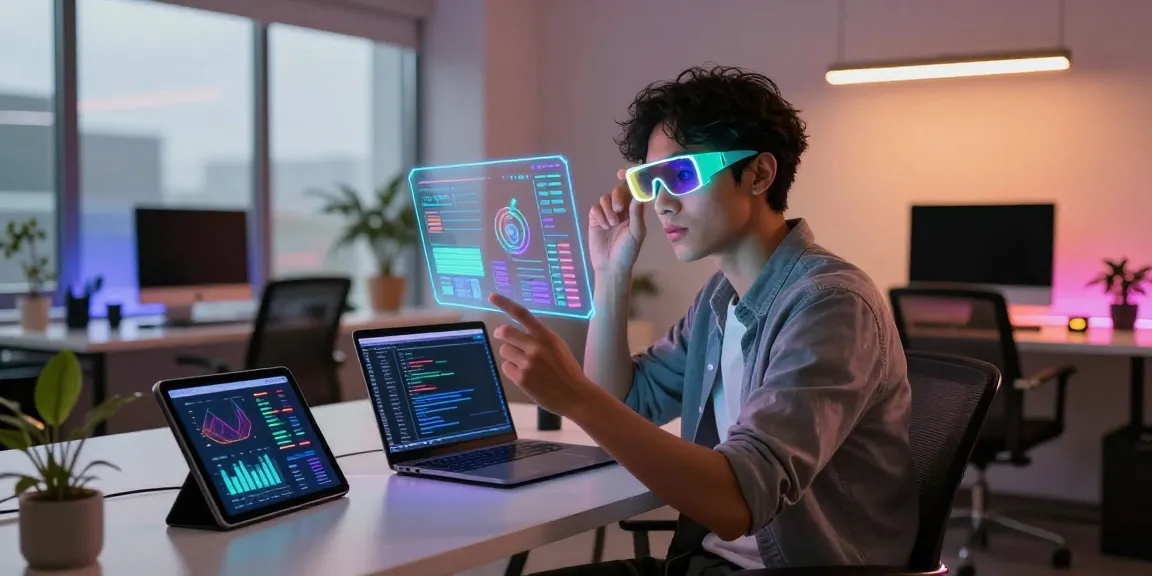
Smart glasses are eyewear integrated with technology that allows for various functionalities besides vision correction. They typically include features such as displays, cameras, microphones, speakers, and sensors. These devices can overlay digital information onto the real world, making them powerful tools for augmented reality applications. They enable users to consume content, navigate, communicate, and even track fitness metrics with ease.
Key Features and Benefits of Smart Glasses
- Augmented Reality Integration: Smart glasses can display visual information directly into the user’s field of vision, enhancing workflows or entertainment experiences.
- Hands-Free Operation: Many smart glasses support gesture controls or voice commands, allowing users to interact with apps without needing to use their hands.
- Connectivity: Smart glasses can sync with smartphones and other devices, providing notifications, navigation assistance, and more.
- Fitness Tracking: Built-in health sensors can monitor activities, heart rate, and other fitness-related metrics, making them suitable for sports and exercise enthusiasts.
How Smart Glasses Differ from Traditional Eyewear
Unlike traditional glasses that solely correct vision or protect from the elements, smart glasses incorporate digital technology to enrich the user experience. They often feature small displays that can present information like notifications, maps, or directions. Moreover, while traditional eyewear is generally passive, smart glasses engage users actively by allowing them to interact with augmented content, creating a more immersive experience.
Exploring the Latest Innovations in Smart Glasses
Top Smart Glasses to Watch in 2026
As the smart glasses market continues to evolve, several brands are leading the charge with innovative new models. Some of the top contenders to look out for include:
- Meta Ray-Ban Stories: These glasses combine fashion with functionality, offering integrated cameras and audio for social sharing.
- Apple Glasses: Anticipated to feature advanced AR capabilities, Apple Glasses are rumored to leverage the company’s ecosystem for an immersive experience.
- Xreal Beam: Known for high-resolution displays and lightweight designs, these glasses are ideal for media consumption and gaming.
Advancements in Augmented Reality Technology
Recent developments in augmented reality technology have significantly enhanced the capabilities of smart glasses. Improved optics, higher resolution displays, and more efficient processors are enabling more complex AR interactions. For instance, advancements in gesture recognition and eye-tracking technology allow for intuitive navigation and control, making smart glasses more appealing for everyday use.
Integration with Smartphones and Other Devices
Connectivity remains a pivotal feature of smart glasses. Most modern smart glasses integrate seamlessly with smartphones, allowing users to receive notifications, make calls, and access apps directly through their eyewear. This synergy enhances user experiences by enabling interactivity without the need to constantly reach for handheld devices, resulting in increased productivity and convenience.
Practical Applications of Smart Glasses
Smart Glasses in Workplace Productivity
In professional environments, smart glasses are transforming how tasks are executed. They allow for hands-free access to information, which can significantly boost productivity. For instance, in manufacturing, workers can use smart glasses to receive real-time guidance, overlaying instructions directly onto machinery. This reduces errors and increases efficiency.
Impact on Healthcare and Medical Practices
Healthcare applications of smart glasses include surgical assistance and patient management. Surgeons can use augmented reality to overlay vital information during procedures, enhancing precision and safety. Moreover, doctors can access patient records or diagnostic information hands-free, improving the quality of care provided.
Enhancing Entertainment Experiences with Smart Glasses
Smart glasses are also enhancing entertainment experiences. For example, they allow users to experience video games in a new dimension by integrating real-world movement into gameplay. Furthermore, streaming services are beginning to create content specifically tailored for augmented reality, which could redefine how audiences interact with media.
Challenges and Considerations for Smart Glasses Users
Common Misconceptions about Smart Glasses
Despite their growing popularity, misconceptions about smart glasses persist. Many users think they are solely for tech enthusiasts or gamers. In reality, smart glasses offer practical benefits across various sectors, from healthcare to everyday productivity, making them accessible to a wider audience.
User Privacy and Data Security Issues
As with any connected device, privacy and data security are significant concerns. Users must navigate the potential risks associated with data collection through their smart glasses, including voice recordings and location tracking. Manufacturers are under pressure to establish transparent policies and develop robust security measures to protect user data.
Affordability and Accessibility of Smart Glasses
The cost of smart glasses can be a barrier for many consumers. While prices are gradually decreasing as technology advances, high-quality models still represent a significant investment. Making smart glasses more affordable and accessible will be critical for widespread adoption, particularly in underserved markets.
The Future of Smart Glasses: Trends and Predictions
Upcoming Features to Anticipate by 2026
As we move further into 2026, several exciting features are expected to emerge in the smart glasses market. These may include:
- Improved Battery Life: Advances in battery technology may lead to longer usage times between charges, enhancing user convenience.
- Enhanced AR Capabilities: Users might expect even richer augmented reality experiences, with better integration of AI-driven functionalities.
- More Compact Designs: Manufacturers are likely to develop sleeker, lighter models without sacrificing performance.
Consumer Adoption Trends and Market Growth
The market for smart glasses is projected to grow rapidly over the next few years. Factors driving this growth include increased consumer awareness, advancements in AR technologies, and the rise of remote work. As more professionals discover the benefits of smart glasses, adoption rates are expected to rise significantly.
The Role of Smart Glasses in a Connected World
In a future where connectivity is paramount, smart glasses may become a central device that facilitates seamless interaction between users and their digital environments. With advancements in 5G technology, the responsiveness and functionalities of smart glasses will likely expand, reinforcing their role in smart homes, workplaces, and cities.
What is the best smart glasses option in 2026?
The best option will vary depending on individual needs, such as whether the focus is on professional applications, entertainment, or fitness. Models like the Meta Ray-Ban Stories or anticipated releases from Apple and Xreal are poised to offer excellent functionalities and design.
How do smart glasses improve productivity?
Smart glasses boost productivity by providing hands-free access to information and tools, allowing users to multitask effectively without interrupting their workflow. Integration with task management apps can streamline processes and enhance efficiency.
Are smart glasses safe for everyday use?
With proper usage and adherence to privacy settings, smart glasses can be safe for everyday use. Users should remain cautious about data sharing and ensure they understand how to manage their devices responsibly.
What features should I look for in smart glasses?
When considering smart glasses, look for features like battery life, display quality, AR capabilities, and ease of integration with other devices. Comfort and design are also essential for daily wear.
Can smart glasses be used for fitness tracking?
Yes, many smart glasses come equipped with fitness tracking capabilities, allowing users to monitor their activities, heart rate, and other health metrics, making them ideal for fitness enthusiasts.